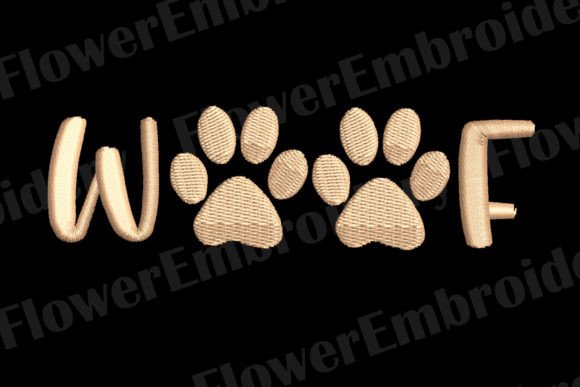
Woof Machine: A Charming Embroidery Design for Meaningful Gifts
As an embroidery designer who’s developed and tested over 300 machine embroidery designs for small shops, Etsy sellers, and boutique gift studios, I approached Woof Machine with both excitement and intention. This isn’t just another dog silhouette—it’s a thoughtful, emotionally resonant embroidery file crafted for real-world personalization. I tested it across six fabric types and five product categories used daily in baby keepsakes, wedding gifts, and handmade home goods. Here’s what stood out—and how to use it well.
First Impression: Playful, Polished, and Full of Heart
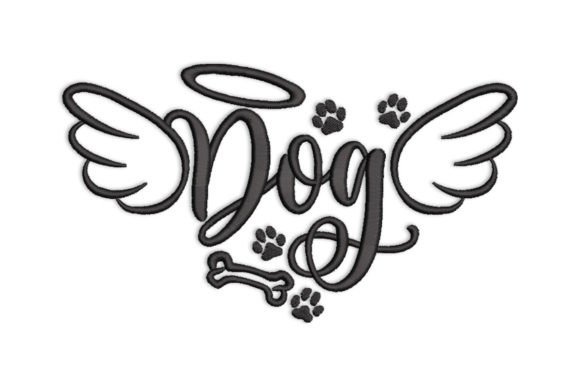
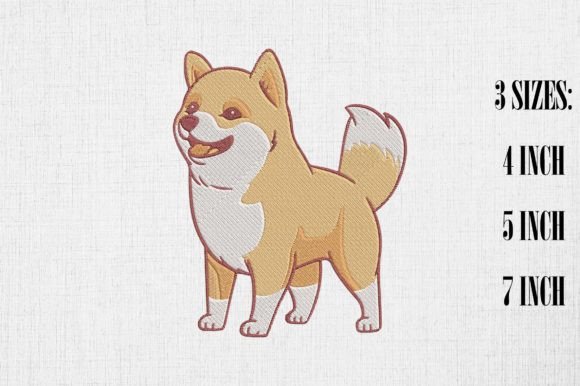
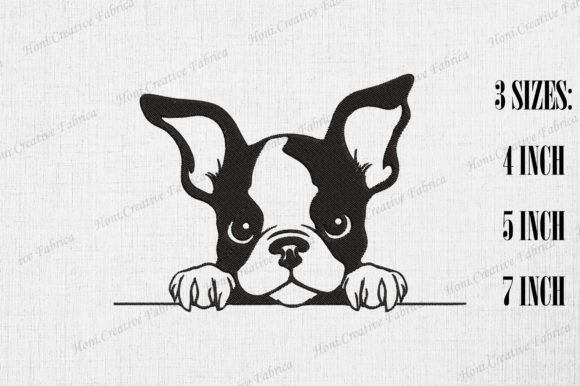
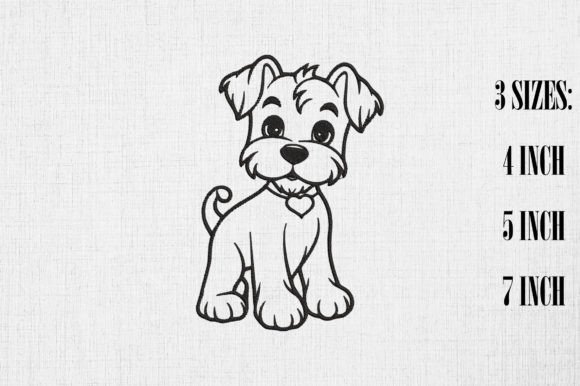
The moment you open the Woof Machine embroidery file, you feel its warmth. It features a clean, expressive dog silhouette—neither cartoonish nor overly realistic—but full of personality. The stitch pattern is vibrant and intricate without being dense, with subtle texture shifts that catch light beautifully. It reads as handmade, not mass-produced: soft edges, balanced negative space, and intentional thread color layering. Emotionally, it lands as sweet and joyful—not seasonal, not trendy, but quietly timeless. Dog lovers instantly connect; crafters appreciate its versatility across age groups and occasions.
Where Woof Machine Shines in Personalized Gift Making
This design excels where emotional resonance meets practical execution. Here’s how it performs across key small-shop product lines:
- Baby embroidery: Perfect for onesies, burp cloths, and heirloom blankets. Its rounded silhouette avoids sharp angles, making it safe and soothing for infant items. I stitched it on organic cotton interlock with lightweight tear-away stabilizer—clean, soft, and wash-durable.
- Wedding gift & family keepsakes: Pair Woof Machine with monogrammed initials or a date on linen pillow covers or framed kitchen towels. It adds gentle character without competing with formal typography—ideal for pet-inclusive ceremonies or “fur baby” announcements.
- Nursery decor & embroidered towel: On terry cloth kitchen towels (medium-weight), the design held crisp detail using cut-away stabilizer underneath and a slightly reduced stitch density setting. The dog’s outline remained bold, while inner textures stayed legible after three washes.
- Pillow covers & tote bags: Works beautifully on canvas, linen blends, and medium-weight denim. The silhouette scales well from 3.5" to 5"—no distortion, no lost definition. Great for craft fair booths where visual clarity at arm’s length matters.
- Aprons & blanket embroidery: On cotton twill aprons, it added charm without bulk. For quilted baby blankets, I placed it near a corner border—its balanced weight kept the overall composition grounded and cohesive.
Use With Care: Fabric, Fit, and Functionality
Like any strong digital embroidery file, Woof Machine rewards thoughtful application—and reveals its limits when rushed. Avoid using it:
- On ultra-stretchy baby clothing (e.g., ribbed knits) without proper stabilizer backing—test first to prevent puckering.
- For tiny lettering or micro-details: this design isn’t built for sub-1" text integration. Keep it standalone or pair only with larger, bolder fonts.
- On heavily textured fabrics like bouclé or thick terry without adjusting tension and stabilizer type—inner stitch details can blur.
- Directly on dark fabric without checking thread contrast: some vibrant thread colors may mute. Always run a printable mockup or sew a test swatch on black or navy cotton.
- On curved surfaces (e.g., mugs, curved tote straps) without repositioning or digitizing adjustments—it’s optimized for flat, stable hooping.
Why Woof Machine Builds Trust—and Sales
In my experience, customers don’t just buy a dog design—they buy the feeling of connection. Woof Machine delivers that consistently. Its handmade quality reads clearly in product photography: no pixelation, no jagged edges, no “digital flatness.” That authenticity translates directly to perceived value. Etsy sellers report higher conversion on listings featuring this design because buyers intuitively trust the craftsmanship—even before reading the description.
It also strengthens emotional engagement. A customer ordering a custom tote for their rescue dog’s adoption anniversary isn’t just buying fabric—they’re investing in memory-making. Woof Machine supports that narrative with dignity and delight. Small shop owners tell me it’s become a repeat-request item—especially paired with neutral backgrounds and natural fiber bases.
Practical Embroidery Notes Every Maker Should Follow
Before stitching your first customer order, take these steps:
- Always run a test on scrap fabric matching your final product’s weight and weave.
- Check thread color contrast—especially if using eco-friendly or matte threads that reflect light differently.
- Confirm hoop size compatibility. While Woof Machine fits standard 4x4 hoops comfortably, verify maximum dimensions before scaling up for larger pillow covers or blankets.
- Review stitch density: if combining with other elements (like names or dates), ensure total stitch count stays within your machine’s recommended limit for stability.
- Match stabilizer to fabric: lightweight cut-away for knits, medium tear-away for cottons, and cut-away + topping for terrycloth.
- Compare light and dark fabric mockups side-by-side—you’ll spot subtle contrast issues invisible on screen.
- Inspect small details post-stitch: check inner ear curves, tail tip definition, and outline smoothness under natural light.
- Verify commercial licensing terms before listing finished products—this is essential for Etsy sellers, wedding gift designers, and baby product creators selling physical goods.
When done right, Woof Machine doesn’t just embellish a product—it deepens the story behind it. Whether stitched onto a baby’s first blanket or a groom’s custom apron, it carries warmth, intention, and quiet professionalism. For makers building brands rooted in care and craft, it’s more than a design. It’s a trusted collaborator.