Mylar Sea Shells: Sparkle That Sells at Craft Fairs
First Impression: Effortless Coastal Glamour
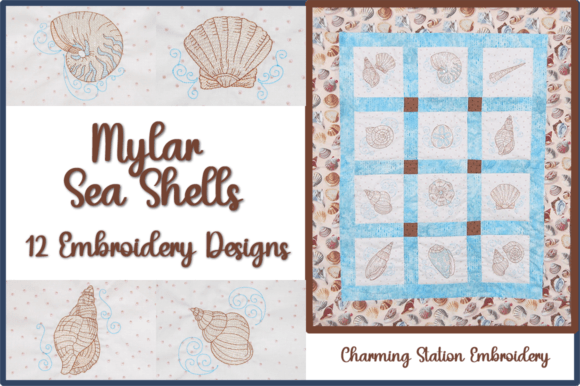
As an embroidery designer who’s prepped over 200 craft fair booths—from coastal pop-ups in Maine to sun-drenched markets in California—my first thought on seeing Mylar Sea Shells was: “This is the kind of design that stops people mid-aisle.” It reads as elegant, not kitschy; modern, not dated; beachy, not cliché. The word “Mylar” signals instant visual interest—shimmer without metallic thread headaches—and “Sea Shells” grounds it firmly in the Beach category while avoiding overused tropes like palm trees or cartoon crabs. It feels premium, giftable, and quietly confident—not loud, but impossible to ignore.
Where Mylar Sea Shells Truly Shines (Literally)
In my booth setup, I always lead with tactile contrast: soft linen tea towels next to structured canvas totes, textured denim aprons beside smooth cotton pillow covers. Mylar Sea Shells performs strongest where light catches the reflective surface—so it’s a standout on:
- Tote bag design: Centered on natural canvas or oat-colored jute, one medium-sized shell (4–5”) glows under booth lighting and reads clearly from six feet away.
- Apron embroidery: Placed just below the pocket or along the waistband, it adds subtle luxury to functional wear—especially on light-to-mid-tone fabrics.
- Tea towel embroidery: A single small shell (2.5–3”) near the corner balances utility and charm without overwhelming the fabric’s weave.
- Embroidered patch: These designs translate beautifully into sew-on or iron-on patches—ideal for Etsy sellers bundling with handmade pouches or caps.
- Pillow covers & small pouches: Here, Mylar Sea Shells elevates everyday items into boutique-ready gifts. Customers consistently reach for pillows with “that little sparkle”—it signals handmade care, not mass production.
What Works Online—and What Needs Testing
For Etsy sellers and digital embroidery file shops, Mylar Sea Shells photographs exceptionally well—but only if you control lighting and background. White or seafoam backdrops make the Mylar pop; gray or charcoal fabrics require careful thread color matching. Avoid flat-lay shots on busy surfaces—the designs need breathing room to shine.
As a digital embroidery file, its strength lies in versatility: 12 distinct shells means you can mix and match for repeat customers, seasonal bundles (“Summer Shell Set”), or curated collections for boutique makers. But remember—this isn’t a one-size-fits-all machine embroidery design. Each shell varies in scale and detail, so test before batch production.
Production Realities: Smart Choices for Small Shop Owners
Here’s what I check before cutting my first hoop for Mylar Sea Shells:
- Stitch density: Mylar reflects light best when stitches are clean and dense—but overly tight fills can cause puckering on lightweight fabrics. Always test on scrap linen or quilting cotton first.
- Fabric texture: On terry cloth tea towels or thick denim aprons, reduce design size slightly. Tiny shell details (like delicate ridges) blur on high-pile or uneven surfaces.
- Hoop size & stabilizer: Confirm your largest shell fits comfortably within your standard hoop. Use cutaway stabilizer for stretchy or unstable fabrics; tear-away works fine for stable cottons and linens.
- Thread colors: Mylar’s reflectivity shifts with thread tone. Navy thread on navy fabric? You’ll lose definition. Stick to high-contrast combos unless going for intentional subtlety.
- Curved surfaces: Caps and curved market bags demand repositioning or smaller shells. Skip placing intricate shells across seams or crowns—opt for simplified versions instead.
Design Assets That Build Brand Consistency
Twelve designs give serious creative runway. As a small shop product developer, I use them to reinforce brand voice: soft blues and sand tones for a serene coastal line; coral and gold threads for festive summer launches; monochrome palettes for minimalist boutiques. When displayed together on a booth banner or printable mockup, Mylar Sea Shells reads as a cohesive design system—not random clip art. That cohesion builds trust. Customers recognize quality when they see intentionality across tote bags, patches, and pillow covers.
Booth Psychology: Why This Design Drives Engagement
At craft fairs, attention spans are short and hands are curious. Mylar Sea Shells invites touch—people tilt embroidered totes to catch the shimmer, hold tea towels up to the light, and ask, “Is that real seashell?” That question opens conversation. And conversation converts. I’ve watched buyers linger 3x longer at displays featuring Mylar elements versus flat-stitch alternatives. It also photographs well in customer-generated content—boosting organic reach for Etsy sellers and Instagram-friendly small shops.
Careful-Use Notes Every Embroidery Designer Should Know
While beautiful, Mylar Sea Shells has practical limits:
- Avoid scaling below 2” — fine lines and inner detailing vanish on dark fabric or textured towels.
- Don’t place dense-shell areas directly over seams or zippers—stitch buildup creates stiffness and visual distortion.
- On caps or curved pouches, skip shells with tight spiral centers—they rarely digitize cleanly across curves.
- Test contrast on black, navy, and charcoal fabrics. Mylar doesn’t compensate for poor thread/fabric pairing.
- Verify commercial licensing before selling finished products. Since this is a commercial embroidery asset, confirm usage rights align with your business model.
Final Verdict: A High-Return Craft Fair Staple
Mylar Sea Shells isn’t just another embroidery file—it’s a strategic tool for handmade entrepreneurs. It bridges online appeal and in-person magic. It supports scalable production without sacrificing uniqueness. And most importantly, it makes customers feel something: calm, joyful, nostalgic, luxurious—all in under three seconds.
My advice? Start with one real mockup—embroider a shell on a linen tea towel, photograph it in natural light, and hold it up beside your current bestseller. If it draws your eye faster, you’ve found your next craft fair hero. Then build outward: patches for wholesale, totes for local boutiques, pillow covers for Etsy bundles. With 12 designs, Mylar Sea Shells gives you room to grow—without reinventing your aesthetic.