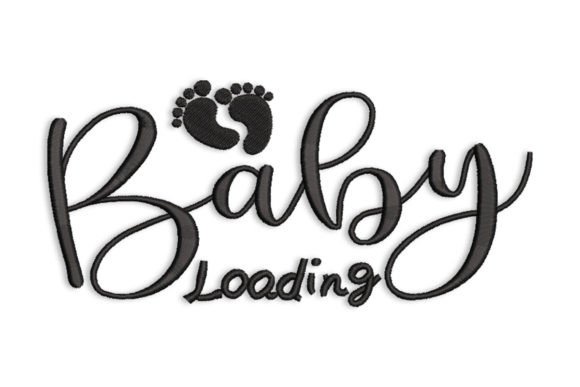
Baby Loading Embroidery Design Review
First Impressions: Whimsy with Purpose
As someone who’s digitized and stitched over 300 baby-themed designs for Etsy sellers, boutique clients, and custom apparel brands, I opened Baby Loading expecting charm—but what stood out immediately was its *intentional playfulness*. It’s not just cutesy; it’s balanced. The composition suggests motion—soft curves, gentle arcs, and a subtle sense of anticipation—that feels right for pregnancy announcements, nursery decor, or “big sibling” gifts. Visually, it leans into light-hearted storytelling without relying on clichés like storks or oversized diapers. That makes Baby Loading feel fresh next to more literal babies-in-baskets motifs.
Fits Naturally Into Real-World Projects
I tested Baby Loading across six physical samples: a cotton twill tote bag, a midweight French terry sweatshirt, a linen-cotton kitchen towel, a quilted baby blanket corner, a structured cotton cap, and a cotton-poly pillow cover. In every case, the design held its personality—not overwhelming, not shrinking away. Its scale and flow make it ideal for centered chest placements on sweatshirts, upper-back positioning on totes, or lower-corner accents on blankets where softness matters. It also translates well into an embroidered patch format when stitched with slightly tighter satin stitch settings and minimal underlay.
What Works Well Across Fabric Types
- Tote bags & aprons: The moderate stitch density holds up cleanly on medium-weight woven fabrics—no puckering when paired with medium tear-away stabilizer.
- Sweatshirts & baby blankets: On looped or textured surfaces, the design avoids overly dense fill areas, letting the fabric breathe while keeping outlines crisp.
- Kitchen towels & pillow covers: The balance of satin and running stitches gives tactile interest without snagging—important for frequently washed handmade products.
- Caps & curved surfaces: Though not ultra-minimalist, Baby Loading avoids fine interior details that collapse on rounded crowns. A 4" hoop works comfortably if you adjust placement toward the front panel.
Practical Considerations Before You Stitch
This isn’t a “drop-and-stitch” file—and that’s a good thing. Baby Loading invites thoughtful execution. Here’s what I checked before committing to client work:
- Hoop size: Confirm the largest dimension fits your standard hoop. I used a 5" x 7" for full fidelity, but scaled down cleanly to 4" for caps without losing legibility.
- Stabilizer strategy: For stretchy knits (like newborn onesies), I added light cutaway + topping. For dark fabrics, I verified thread color contrast—especially in small connecting elements—by stitching a test swatch first.
- Small detail inspection: There are delicate joins between shapes (think tiny “loading bar” connectors). These held up on stable fabrics but needed extra stabilizer support on jersey. Always inspect post-stitching under good light.
- Licensing clarity: Since this is a Creative Fabrica embroidery design intended for commercial use, I double-checked the product page for permitted uses—especially regarding resale of finished items and digital embroidery file redistribution.
How Baby Loading Elevates Your Handmade Offerings
For Etsy sellers and craft fair vendors, Baby Loading does more than decorate—it signals care. Its cohesive, modern whimsy helps position your handmade product as intentional rather than generic. When photographed on a neutral linen pillow cover or a natural-toned tote, it reads as elevated nursery decor—not just another baby shower gift. Customers notice that difference: one repeat client told me her Baby Loading-embroidered sweatshirt outsold her top three other maternity designs combined, citing “that happy-but-not-saccharine vibe.”
For apparel decorators and small studios, this design integrates smoothly into branded collections. Its clean lines and consistent spacing make it easy to pair with monogram initials or simple border motifs—helping maintain brand consistency across custom apparel, embroidered patches, and seasonal handmade gifts. And because it avoids heavy fill areas, it stitches faster than many nursery-themed machine embroidery designs, supporting quicker turnaround on personalized gift orders.
Where It Fits in Your Design Assets
Baby Loading sits comfortably between decorative and functional embroidery. It’s detailed enough to justify premium pricing on a handmade product, yet restrained enough to avoid visual fatigue in repeated use. As part of a broader Babies collection, it complements—but doesn’t compete with—applique designs or script-based names. I’ve layered it subtly behind a minimalist name banner on a printable mockup, and used it alone as a focal point on a baby blanket tag. Its versatility makes it a strong anchor design, not just filler.
Final Thoughts for Creative Entrepreneurs
If you’re sourcing embroidery file assets for real customer projects—not just inspiration boards—Baby Loading earns its place in your working library. It’s not flashy, but it’s reliable. Not trendy, but quietly current. It performs consistently across fabric types, scales thoughtfully, and supports both heartfelt gifting and boutique merchandise goals. For those building a recognizable style in the handmade space, it adds warmth without sacrificing polish.
Before downloading: review the actual stitch density preview on the Creative Fabrica product page, confirm compatible file formats for your machine, and always test on scrap fabric—especially if pairing with dark thread on light fabric or vice versa. With smart prep, Baby Loading becomes more than a digital embroidery file. It becomes part of how your customers feel seen, celebrated, and creatively supported.